
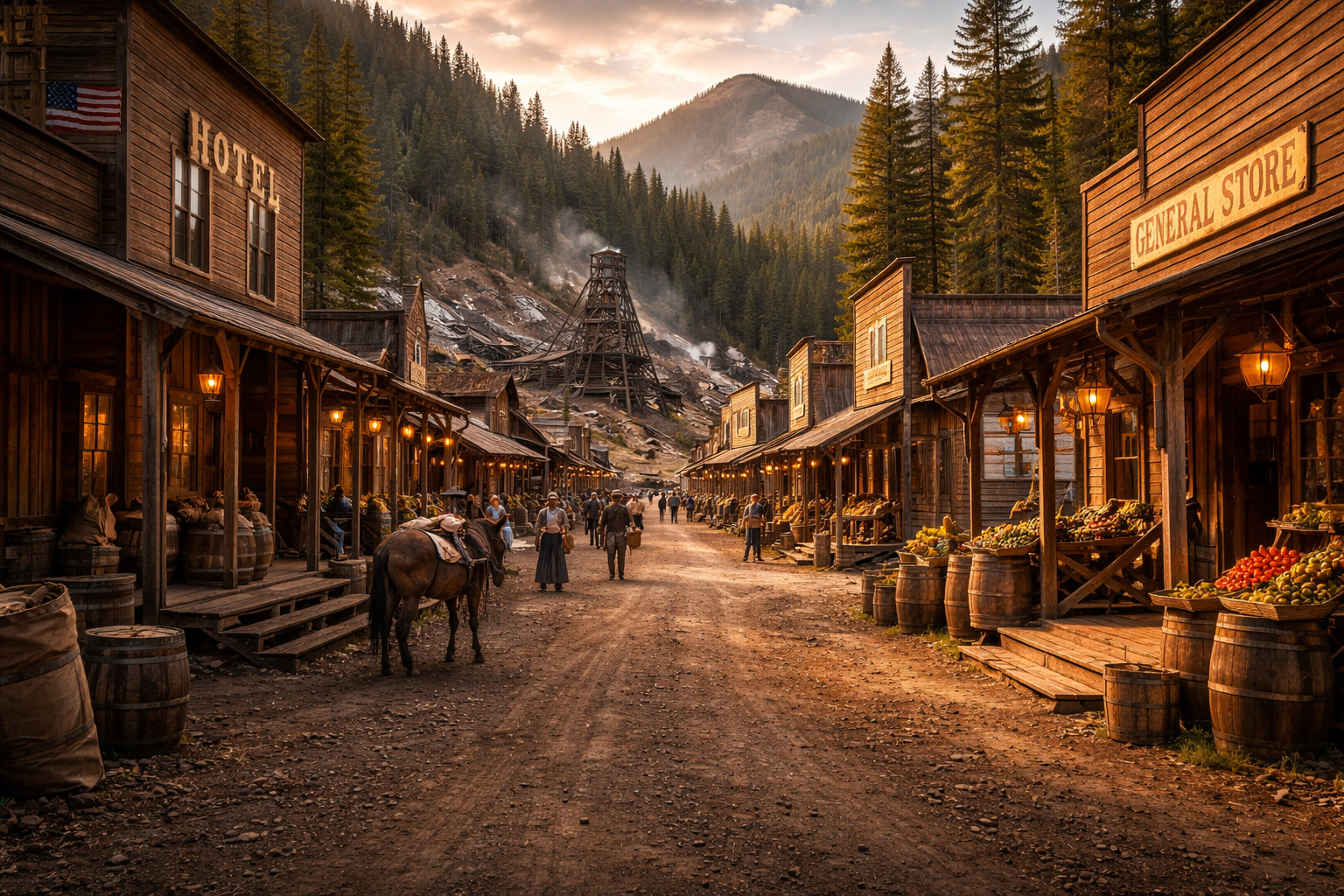
The mining town begins in haste. That is one of its defining truths. It does not arise from patient civic design, inherited urban logic, or long institutional maturity. It appears because something valuable is believed to lie nearby in the earth and because human beings are extraordinarily quick to organize themselves around hope, greed, labor, and rumor. A camp becomes a street. A street becomes a commercial strip. A commercial strip begins to imagine itself as destiny.
That act of imagination is the real subject here. Not mining alone, and not architecture alone, but the frontier imagination that gathers around extraction and immediately starts asking for more. More trade. More permanence. More legitimacy. More ceremony. More memory. A mining street is never only economic. It is aspirational from the start. Even the roughest row of buildings contains, hidden in its geometry, the desire to become a town worthy of being remembered.
The frontier did not only want wealth. It wanted form. The mining-town street is where that desire became visible.
This is why the image still grips us. The dirt is real. The disorder is real. The provisional quality is undeniable. Yet so too is the longing for structure. Storefronts line up. Signage appears. Services multiply. Hotels, saloons, newspapers, and offices crowd in beside supply stores and assay rooms. Human beings, having rushed into a place for gain, almost immediately begin staging a version of society around the gain. That act is both absurd and deeply moving. It reveals how quickly mere camp life becomes insufficient for the human ego.
The Street as Argument
To stand imaginatively on a mining-town street in old Idaho is to stand inside an argument. On one side is instability: mud, weather, violence, transience, bad luck, speculation, hunger, fraud, and the fact that an entire settlement may depend on a vein that thins or a market that turns. On the other side is the will to permanence: storefronts, ledgers, legal offices, newspapers, churches, schools, portraits, public language, rules, and the dream that this improvised place may become not merely useful, but respectable.
The street holds both conditions at once. That is what makes it so symbolically rich. It is civilization on probation. It is order under pressure. It is the visible line where appetite tries to dress itself in civic clothing. Sometimes the clothing fits. Often it does not. But the attempt itself is revealing. Idaho’s mining streets show a society caught in the act of self-invention.
This is also why they matter beyond local nostalgia. The American frontier has too often been flattened into either celebration or critique, as though one must choose between admiring the rough builders of a place and denouncing the violence, greed, and simplification that shaped them. The mining-town street resists that false choice. It demands a thicker reading. One can see there both energy and damage, both enterprise and delusion, both community-making and extraction-driven distortion. The image is powerful because it will not stay innocent.
Why Idaho’s Version Matters
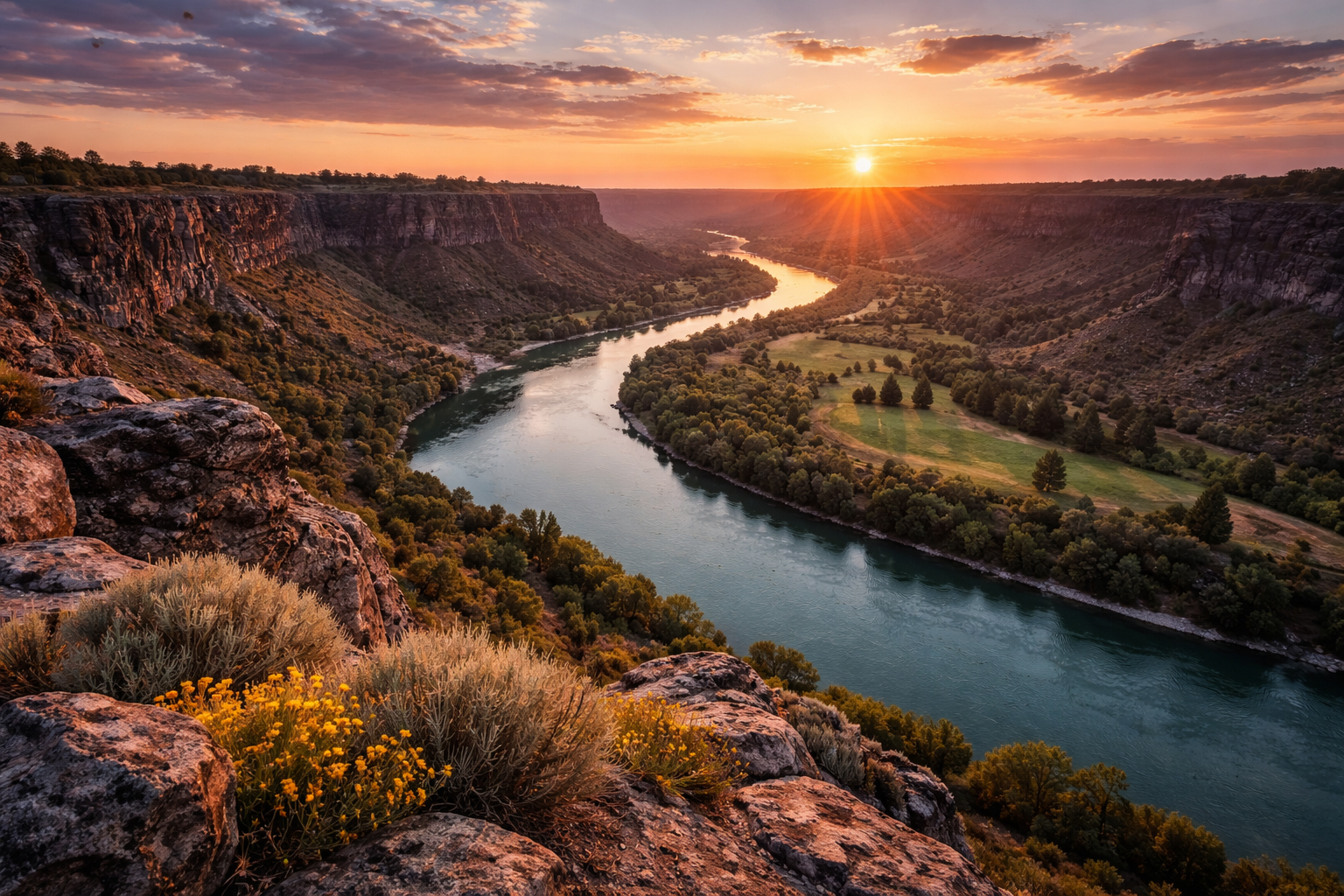
Idaho’s mining history belongs to the wider western story, but it has its own tonal signature. This is partly geographical. Idaho’s mountains, river systems, winters, distances, and rough interior routes gave its mining settlements a particular relationship to remoteness. These were not merely boomtown fantasies playing out on open plains. They were often hard-country improvisations in landscapes that retained authority over the people trying to dominate them.
That matters because it sharpened the state’s character. A mining town in Idaho did not simply promise money. It demanded competence. Freight had to arrive. Winter had to be survived. Ore had to move. Claims had to be defended. Information had to travel. Even vice required logistics. The original Idaho temperament absorbed this quickly. It became practical, suspicious, opportunistic, and hungry for order all at once.
Those qualities still linger in the state’s cultural self-understanding. Idaho remains unusually attentive to capability. It still admires people who can build, repair, move, endure, improvise, and keep working under pressure. The mining street helped write that ethic into the local code. Even when the mines faded, the habits of character persisted.
False Fronts and True Desires
There is no better frontier symbol than the false-fronted building. Historians and tourists alike are drawn to it because it contains such an American honesty about dishonesty. The building is larger in appearance than in reality. It declares scale it may not possess. It performs confidence before confidence is earned. And yet the false front is not merely a lie. It is also a wish. It says that even a rough commercial structure wants dignity, wants presence, wants to seem equal to the future it hopes to inhabit.
A false front is not only a deception. It is the frontier’s confession that appearance, too, is part of survival.
The mining-town street is full of such confessions. A newspaper office declares seriousness in a place barely capable of long-term stability. A hotel suggests permanence where transience still dominates. A storefront arranges goods with the confidence of an established market though the entire town may rest on uncertain rumor. These are not small ironies. They are the frontier’s core drama. People wanted more from these streets than profit. They wanted a public world that made profit look like society.
Idaho, perhaps because of its harder landscapes and more exacting distances, often reveals the poignancy of this desire more clearly than some other western settings do. One senses that these places were trying not merely to get rich, but to become real to themselves. Mining was the occasion. The deeper project was legitimacy.
The People the Street Carried
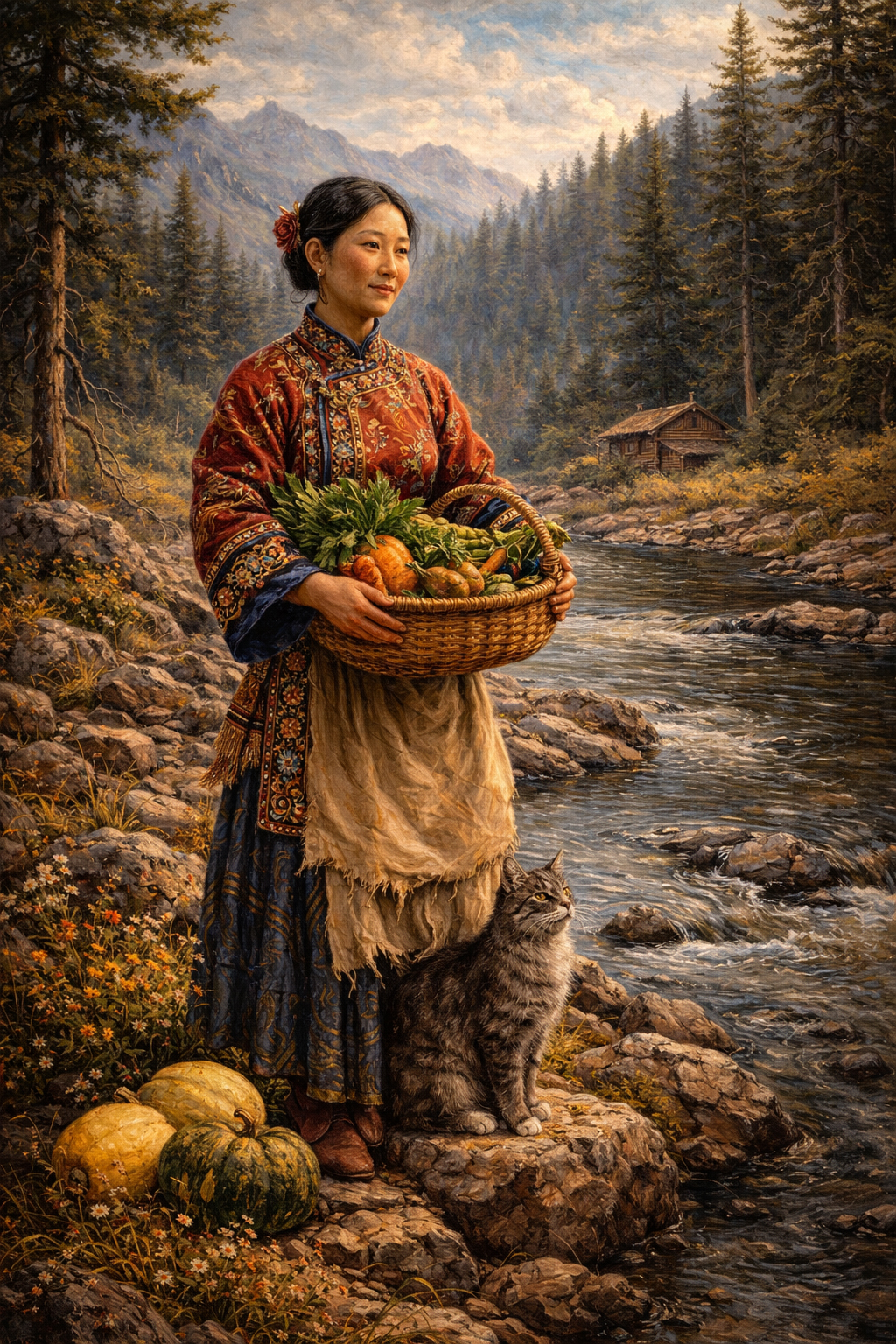
The old mining-street image becomes sentimental very quickly if one imagines it populated only by the approved frontier cast: prospectors, lawmen, merchants, and civic men in hats. In reality, these streets carried a far wider and more unstable human mix. Indigenous presence and dispossession were never far away. Chinese labor and migration shaped the wider world around these settlements. Women’s work, domestic and commercial alike, made the places livable in ways the heroic myth consistently understates. Drifters, opportunists, proprietors, families, displaced persons, and people with no safe claim on the official narrative all moved through the same narrow corridor of dust and wood.
This matters because the mining-town street is not truly historical until it becomes crowded again with the people later simplification pushed aside. Once they return, the image changes. The frontier stops looking like a straightforward masculinity test and starts looking like what it was: a compressed and morally unstable society trying to hold together under the pressure of money and place.
Idaho’s best historical writing should always aim for this complication. Not to scold the past into lifelessness, but to restore its pressure. The old street should not become a theme set. It should remain a site of unresolved meaning. That is how it continues to teach.
The Civic Hunger Behind the Dust
One of the strangest and most revealing features of mining culture is how quickly it reaches for civic self-respect. A camp flush with temporary money and unstable men will, almost before it deserves to, begin asking for newspapers, public art, legal forms, community rituals, and symbolic order. This is not hypocrisy alone. It is a deep human instinct. A society built on extraction still wants to believe it is more than extraction.
Idaho’s early newspapers, public personalities, and civic ambitions grow naturally out of this condition. The mining street creates not just commerce but the need to narrate commerce, justify it, discipline it, and imagine a future beyond it. This is where art, politics, and public language enter the frontier story in earnest. A place starts wanting memory before it has fully secured stability. That impulse is not always noble, but it is deeply revealing.
Charles Ostner makes sense in such a world. So does Borah later. So do the quick emergence of public symbols and the state’s long interest in projecting seriousness. The mining street is not only an economic beginning. It is the corridor through which Idaho’s civic hunger first passed into view.
Why the Image Still Holds
So why does the old mining-town street continue to hold the imagination? Because it compresses the frontier into a human scale. Mountains are grand but abstract at a distance. Rivers carry drama but can seem impersonal. The street gives the frontier a face. It shows what ambition looked like at walking speed. It shows where fantasy put on boots and opened a ledger. It shows where the West tried to persuade itself that transience could be organized into order.
In Idaho, that image still carries particular force because so much of the state’s modern self-image remains downstream from it. The respect for competence. The suspicion of softness. The desire for public seriousness without too much decorative excess. The awareness that weather and distance can humble every abstraction. These are not just scenic qualities. They are cultural inheritances from the earlier hard-country towns.
The mining-town street remains powerful because it shows Idaho in one of its earliest recognizable forms: ambitious, unstable, performative, practical, and desperate to become worthy of permanence.
The Frontier Imagination, Corrected
It would be a mistake to leave the image untouched by criticism. The frontier imagination has done real damage when it becomes too enamored of its own rough beauty. It can erase those coerced or excluded from its official story. It can romanticize extraction and call it courage. It can mistake appetite for destiny. Idaho must resist those flatteries if it wants a mature historical voice.
But criticism alone is also insufficient. The image persists because it reveals something true about human beings under frontier conditions. They do not only take. They also arrange, improvise, symbolize, narrate, and attempt—however clumsily—to build a world that feels larger than appetite. That ambition is morally mixed, often compromised, sometimes ugly, but never trivial. It is part of what makes the mining-town street so enduring an object of thought.
Mining Town Street and the Frontier Imagination: the phrase works because the street is where imagination became visible in wood, dust, and desire. Not pure imagination. Not innocent imagination. But the frontier’s own: restless, hungry, civic, performative, and never quite free of the fear that the whole thing might vanish by next season.
That is why Idaho should keep looking at the image. Not as kitsch, and not as piety, but as evidence. A single street can show a state trying to invent itself before it fully knows what kind of invention it will turn out to be. Idaho’s mining streets did exactly that. Their dust has settled. Their argument has not.