Feature Essay
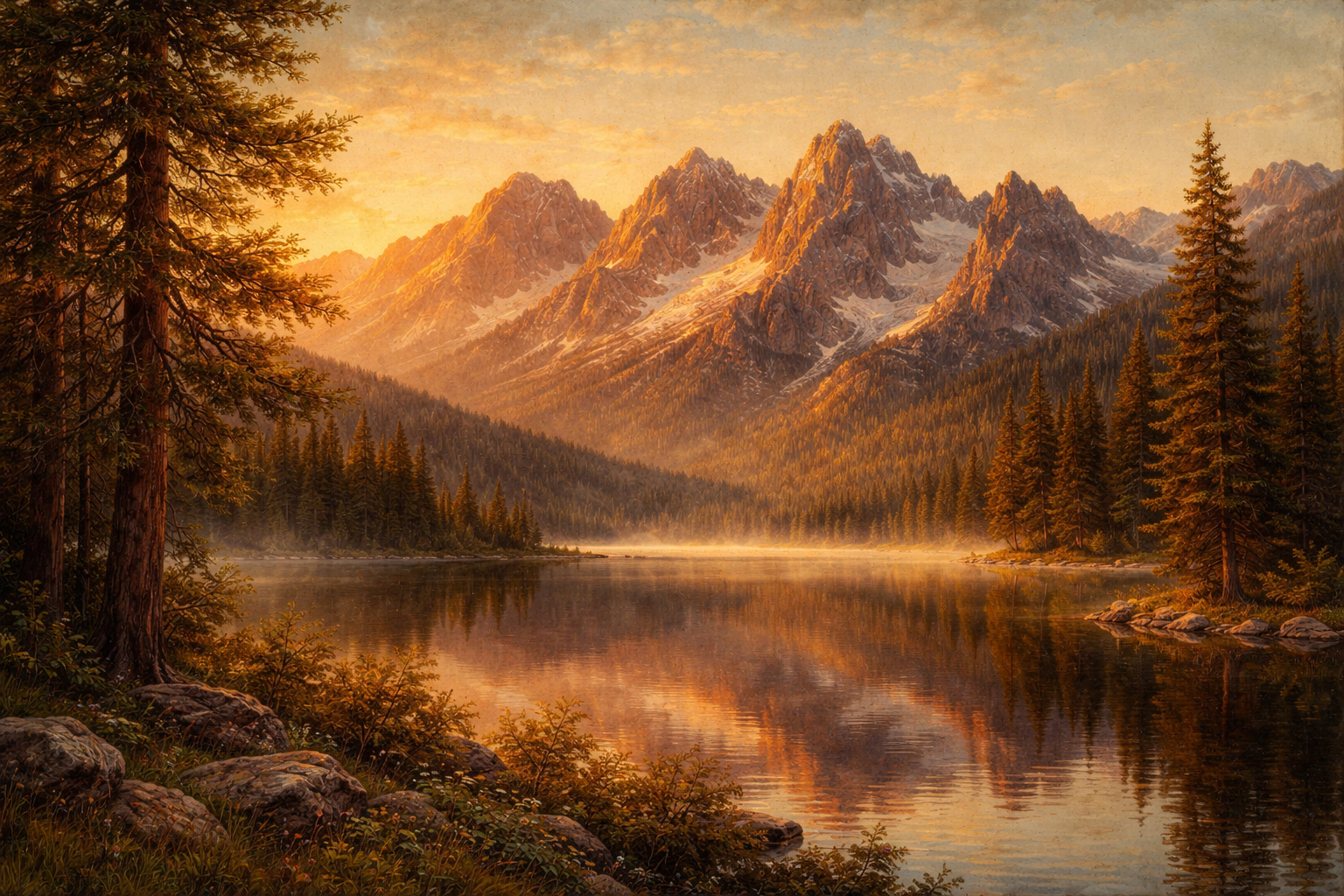
Why Idaho Feels Different
A long-form essay on scale, silence, regional contrast, mountain discipline, and the deeper texture that makes Idaho feel unlike anywhere else in the American West.
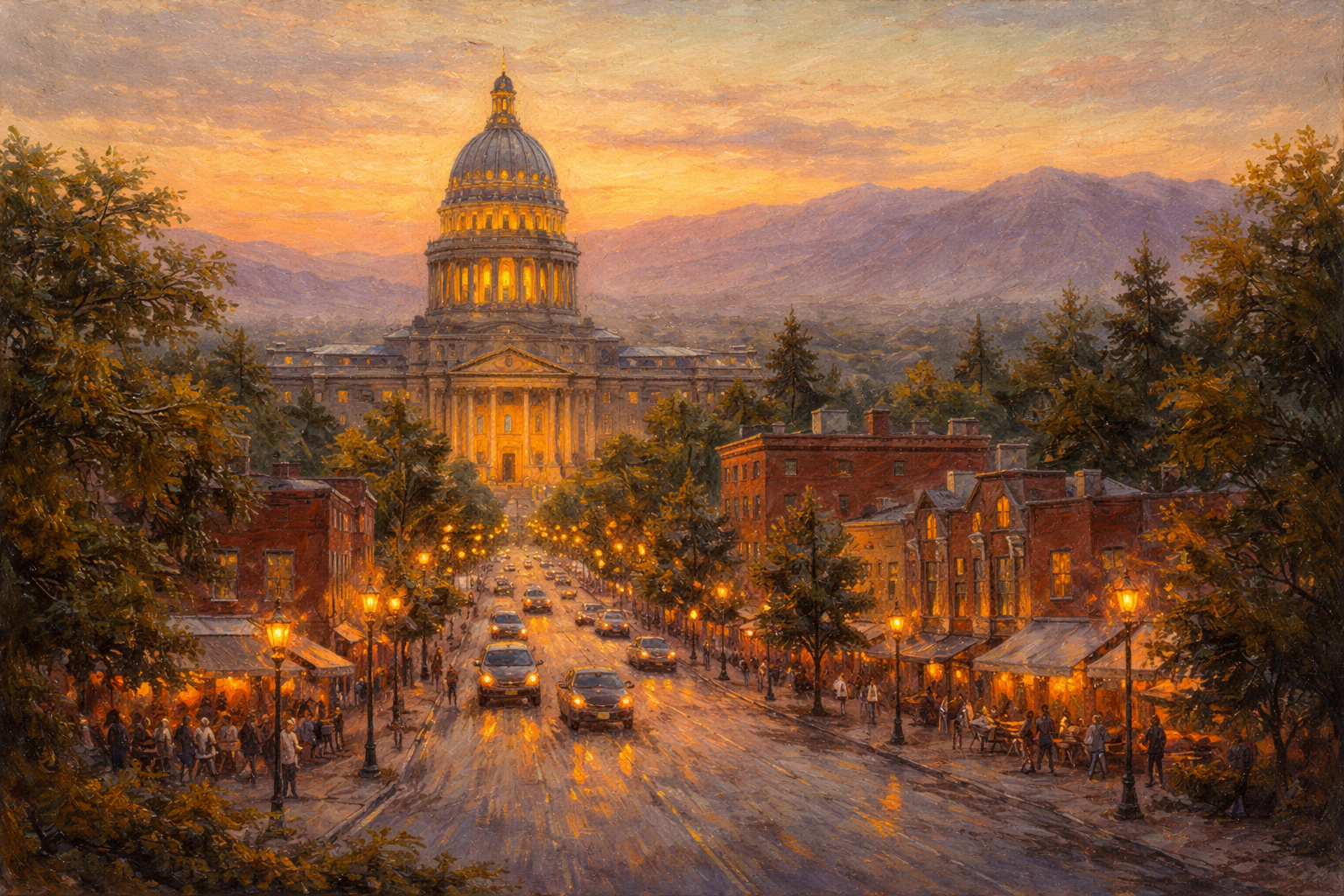
The central long-form statements of the magazine’s worldview, visual identity, and sense of Idaho as subject.
Feature Essay
A long-form essay on scale, silence, regional contrast, mountain discipline, and the deeper texture that makes Idaho feel unlike anywhere else in the American West.
Feature Essay
A statement of editorial purpose: why Idaho deserves a true publication, why sections matter, and how the site is trying to become an authored magazine rather than a generic portal.

Visual Identity
A feature on the publication mark, what it needs to carry, and why Idaho requires an editorial identity stronger than cliché or tourism shorthand.
Visual Identity
A feature on the masthead as editorial architecture: why the top of the page matters, and how visual tone creates trust before the prose begins.
Editorial Creed
A feature on the tagline beneath the masthead and how it functions as the publication’s compressed statement of reader, subject, and standard.
What Features Does for the Magazine
Without feature essays, a site becomes a collection. With them, it becomes a publication. The Features section tells readers how Boise, Stanley, the Sawtooths, wildlife, history, food, and hot springs belong to one authored Idaho rather than to a scattered catalog of scenes.
Design
A serious magazine requires a visual system strong enough to move through many moods without losing authority.
Subject
Idaho is too often simplified. The Features desk exists to slow the reader down and let the state regain its full contour.
Less itinerary, more meaning.
How Idaho’s regional differences, quiet strengths, and internal standards resolve into one coherent state character.
Why the publication exists, what kind of reader it imagines, and why Idaho deserves more than generic travel language.
The role of the logo, masthead, and tagline in making the publication feel authored, disciplined, and memorable across many sections.
The slower, deeper essays that let the state become legible through atmosphere, contradiction, and editorial patience rather than quick summary.
The feature essays now live here.
A long-form essay on the scale, silence, regional contrast, and tonal integrity that make Idaho feel unlike anywhere else.
A feature on the editorial idea behind the publication and the larger wager that Idaho can be treated as a full magazine subject.
A feature on the publication mark, the need for editorial authority in design, and why Idaho requires a real visual identity.
A feature on the masthead as editorial entrance, visual architecture, and the stabilizing device of a magazine built from many moods.
A feature on the tagline as editorial creed and the standard of distinctness it sets for both the publication and the reader.